

Read This On Our Main Website: https://psoec.com/multiple-soft-tissue-calcifications-with-toe-deformities-fibrodysplasia-ossificans-progressiva/?feed_id=1101&_unique_id=61b045c533a88
[ad_1]
Figure 1a
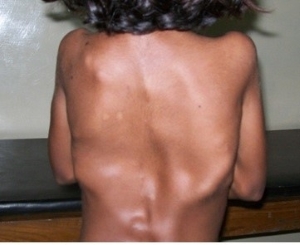
Figure 1b
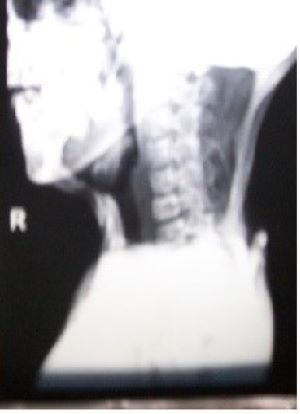
Fibrodysplasia ossificans progressiva FOP is a uncommon disabling hereditary connective tissue dysfunction characterised by symmetrical congenital abnormalities of the large toes and thumbs with progressive postnatal heterotopic ossification of soppy tissues, together with these associated to striated muscle mass, resulting in everlasting incapacity. 1 It impacts women and men alike, with a present worldwide prevalence of about 1 case in 2 million individuals. 2 The calcification of the tender tissues begins within the first decade of life with a mean of 5 years. 3 Episodes of painful tender tissue swelling happen, usually brought on by tender tissue accidents, intramuscular injections, viral infections, muscle stretching, falls, or fatigue. These flares remodel skeletal muscle mass, tendons, ligaments, fasciae and aponeuroses into heterotopic bones and make motion not possible. 3 Although most FOP instances are sporadic non-inherited mutations, a small variety of inherited FOP instances present germline transmission in an autosomal dominant sample. Heterozygous activating mutations within the activin receptor IAperctivin-like kinase-2 ACVRI, ALK2, a bone morphogenetic protein BMP sort I receptor, happen in all sporadic and familial instances of FOP. 1,2 The differential prognosis consists of progressive bony heteroplasia, osteosarcoma, lymphedema, tender tissue sarcoma, desmoid tumors, aggressive juvenile fibromatosis, and non-hereditary acquired heterotopic ossification. A skeletal examination is required to seek out out the extent of involvement. 4 Current remedy focuses on early prognosis, constant avoidance of accidents or iatrogenic injury, symptomatic aid from painful relapses, and optimization of residual operate. Short-term steroids are useful in acute exacerbations. Treatment with bisphosphonate and isotretinoin helps to some extent, however the illness progresses slowly and most sufferers are bedridden by the age of 30. 5,6 Death normally happens within the second by way of fourth many years from respiratory failure. 3
|
[ad_2]
Read This On Our Main Website: https://psoec.com/multiple-soft-tissue-calcifications-with-toe-deformities-fibrodysplasia-ossificans-progressiva/?feed_id=1101&_unique_id=61b045c533a88
Comments
Post a Comment